
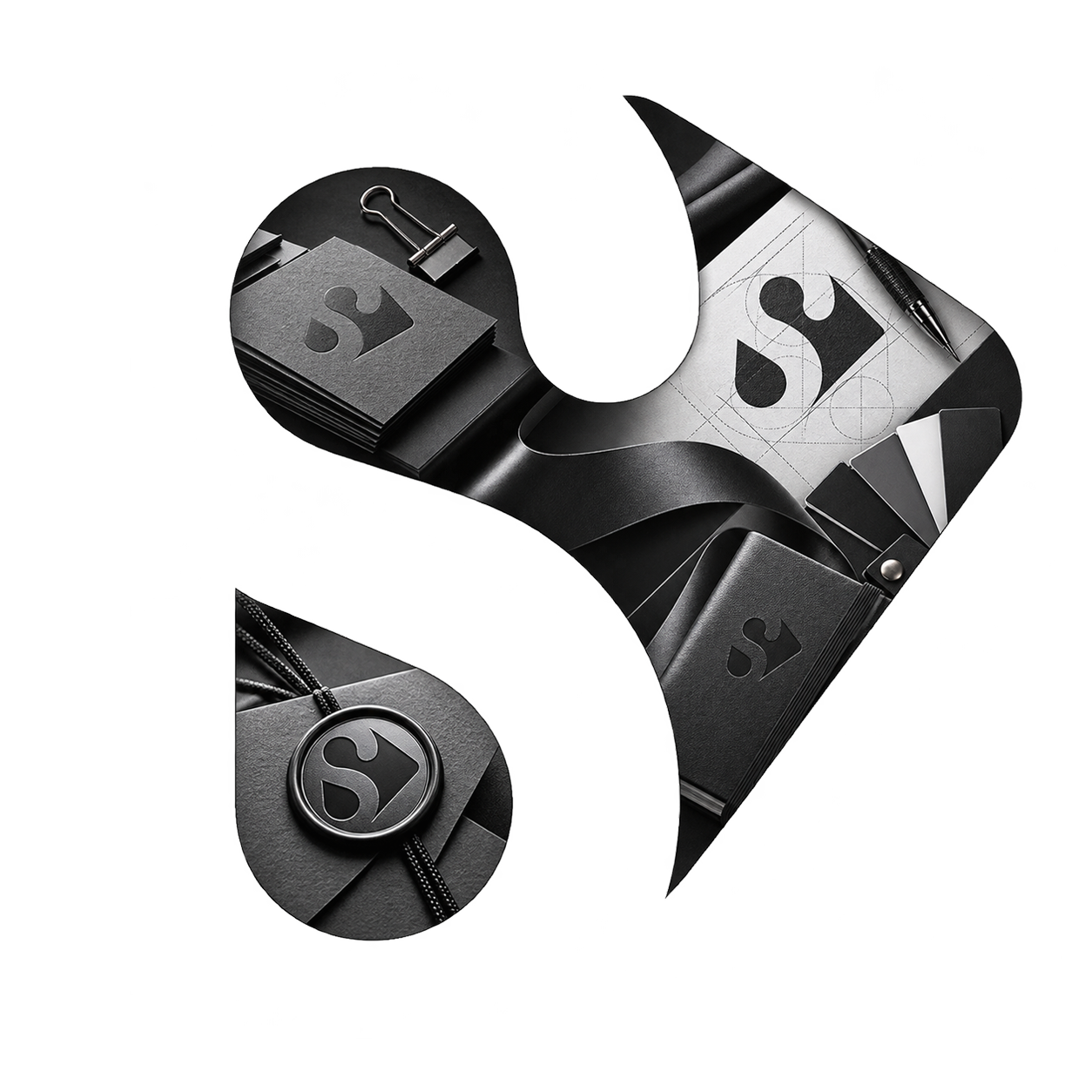
BRAND IDENTITY
Make your corporate identity — with its logo, colors, typography, and every other element — work as a cohesive whole and maintain a strong impact across different applications.
DIGITAL DESIGN
Don’t be confined to templates across the web, social media, and other digital channels. Build a consistent and effective presence that reflects your business identity across these platforms as well.
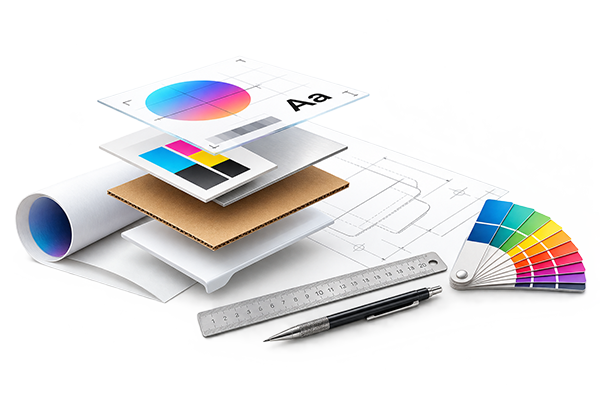
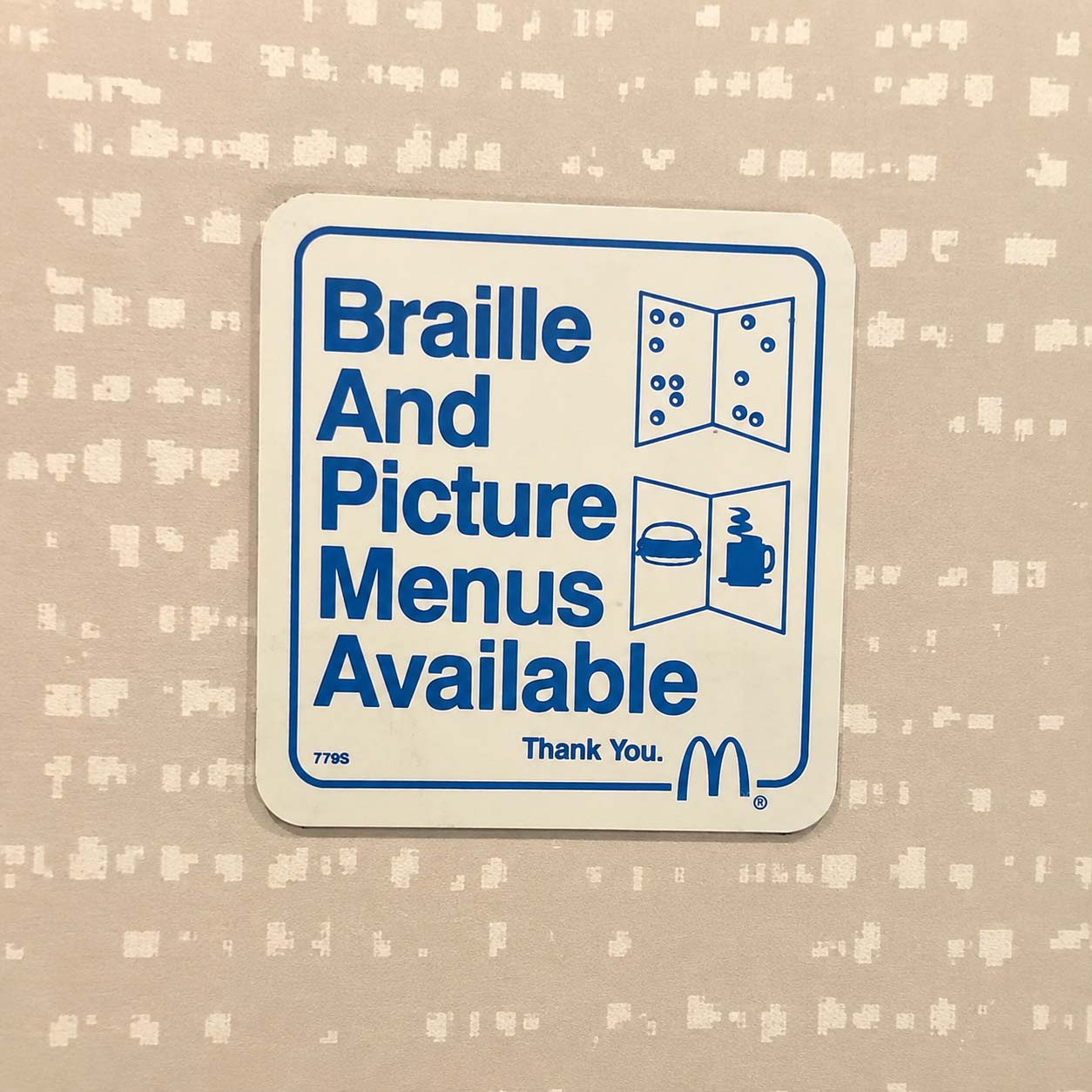
When visual and tactile information work together meaningfully!
If tactile information such as Braille (raised lettering) is part of the design, it should not only be designed as part of the overall concept; it must also be produced using materials and techniques appropriate to its intended purpose.
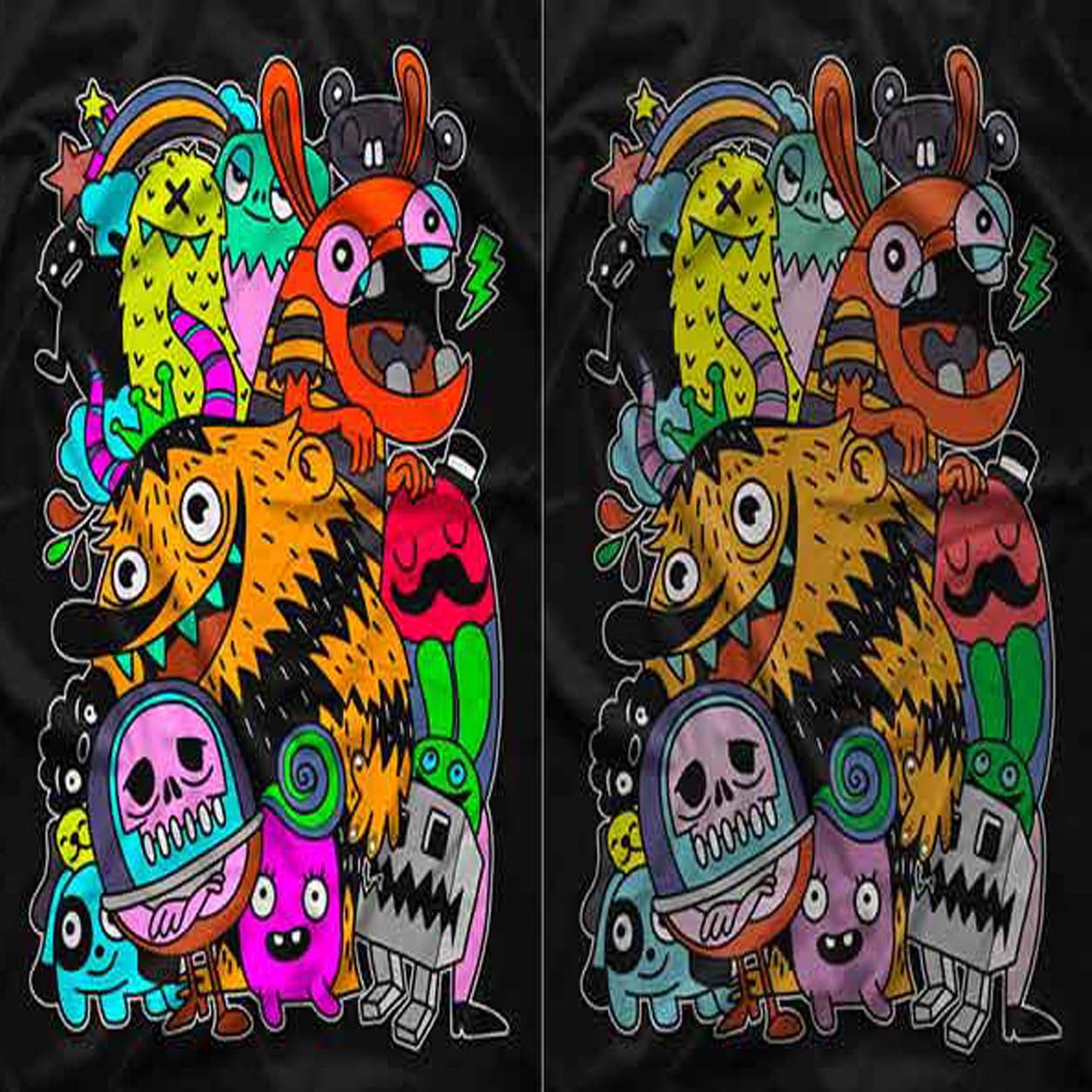
Colors on Screen Don’t Stay the Same in Print.
Colors should be evaluated with the printing technique, ink, material, and surface taken into account. Otherwise, noticeable differences may occur between the image on screen and the final printed result.
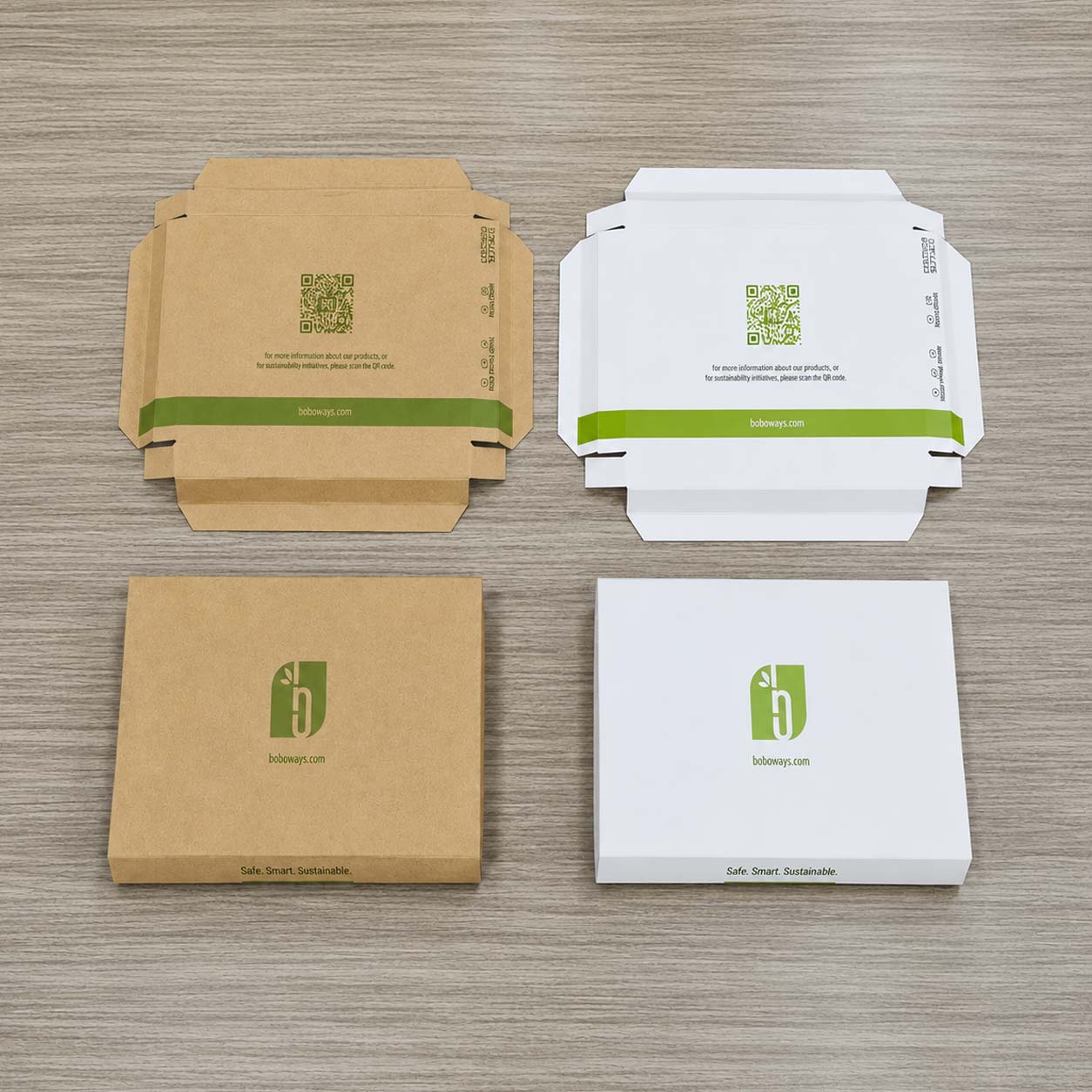
Corporate Color Is More Than Just a Color Code.
How colors will appear on different materials, surfaces, and printing techniques should be taken into account during the design process; color variations should be designed with their intended use in mind.

The Geometry of the Surface Is Part of the Design.
A design decision made for a flat surface can change the proportions, perception, and impact of the visual when applied without taking physical conditions such as corners, angles, and viewing perspectives into account.
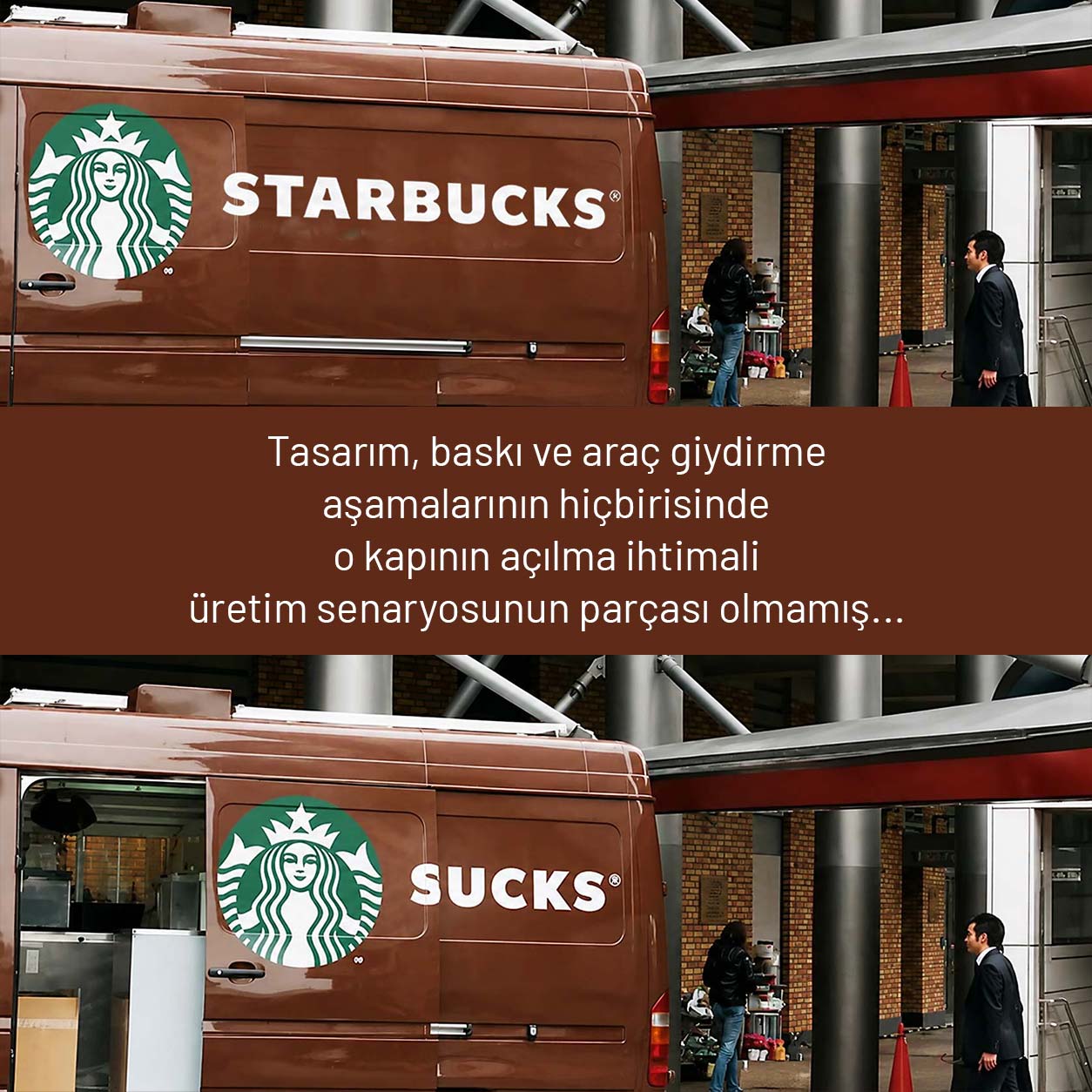
Moving Parts Should Also Be Part of the Design Scenario.
If the design surface includes moving elements such as doors, their movement and the changes they create during use should also be incorporated into the design scenario.
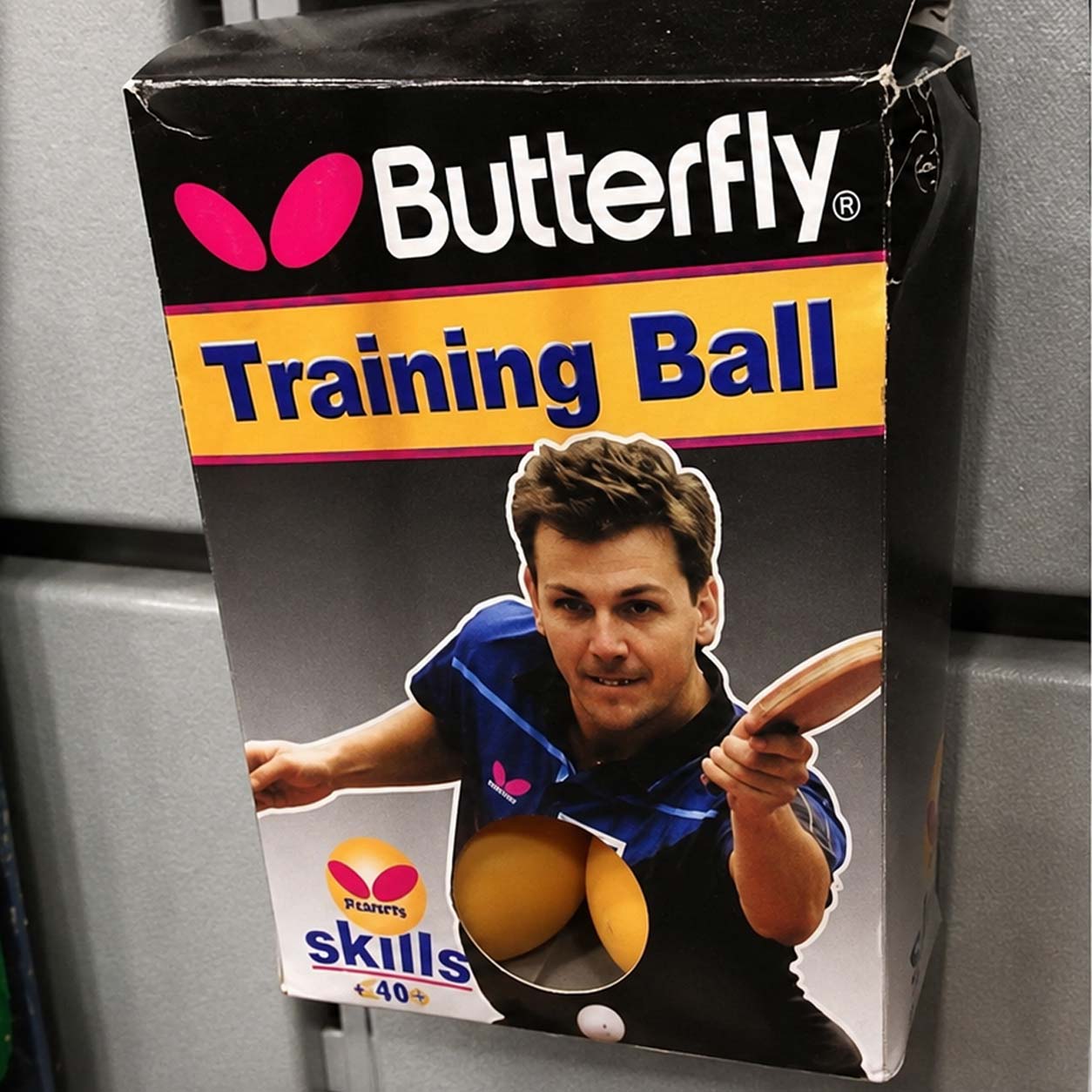
Custom Die-Cutting Can Change the Design Composition.
Physical factors such as the product’s position within the packaging, the die-cut line, and visibility should be evaluated together with the visual message of the design.
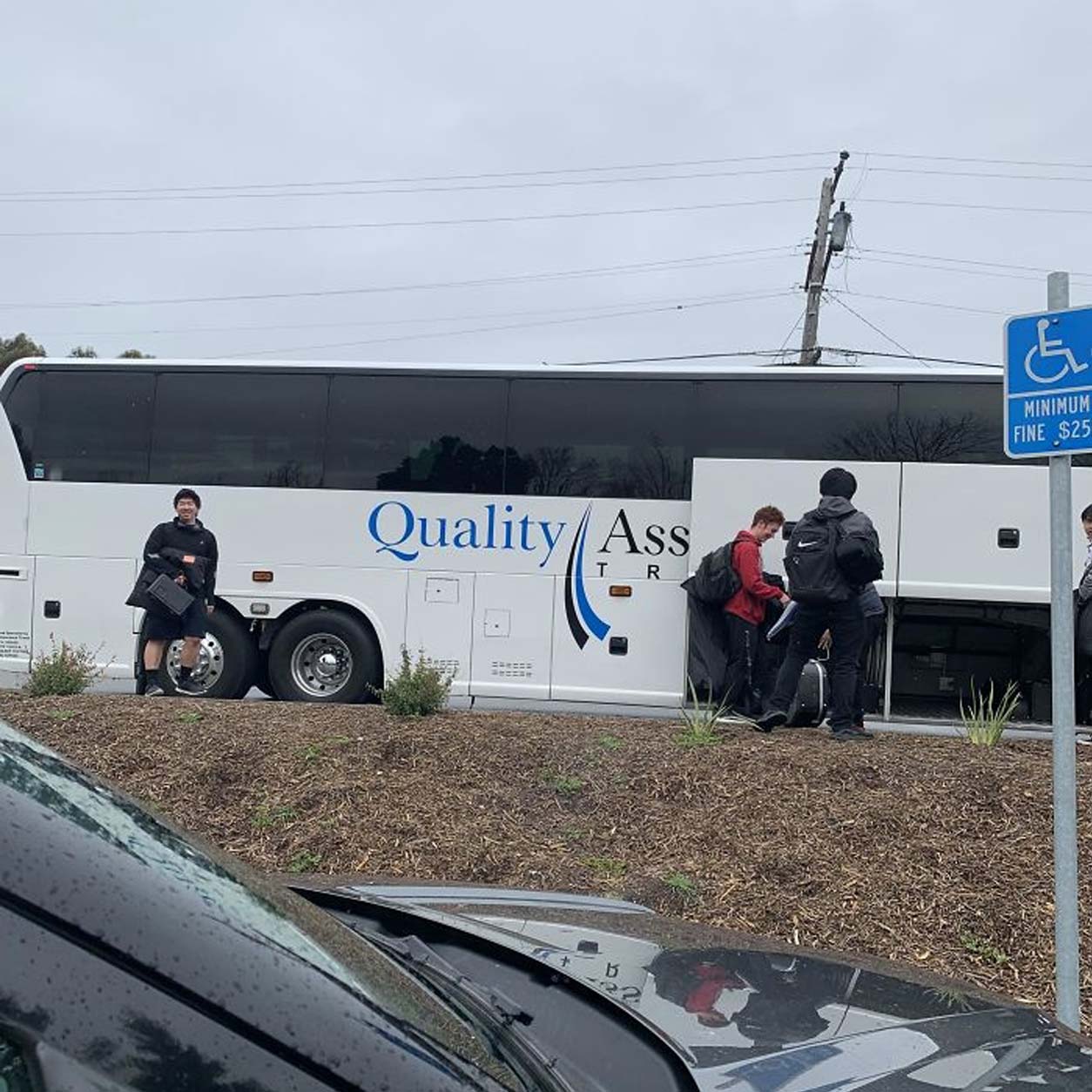
The Design Should Consider the Entire Application Surface.
If doors, windows, fixtures, and other physical obstacles divide the graphic surface, the design should be created with their position and use taken into account.
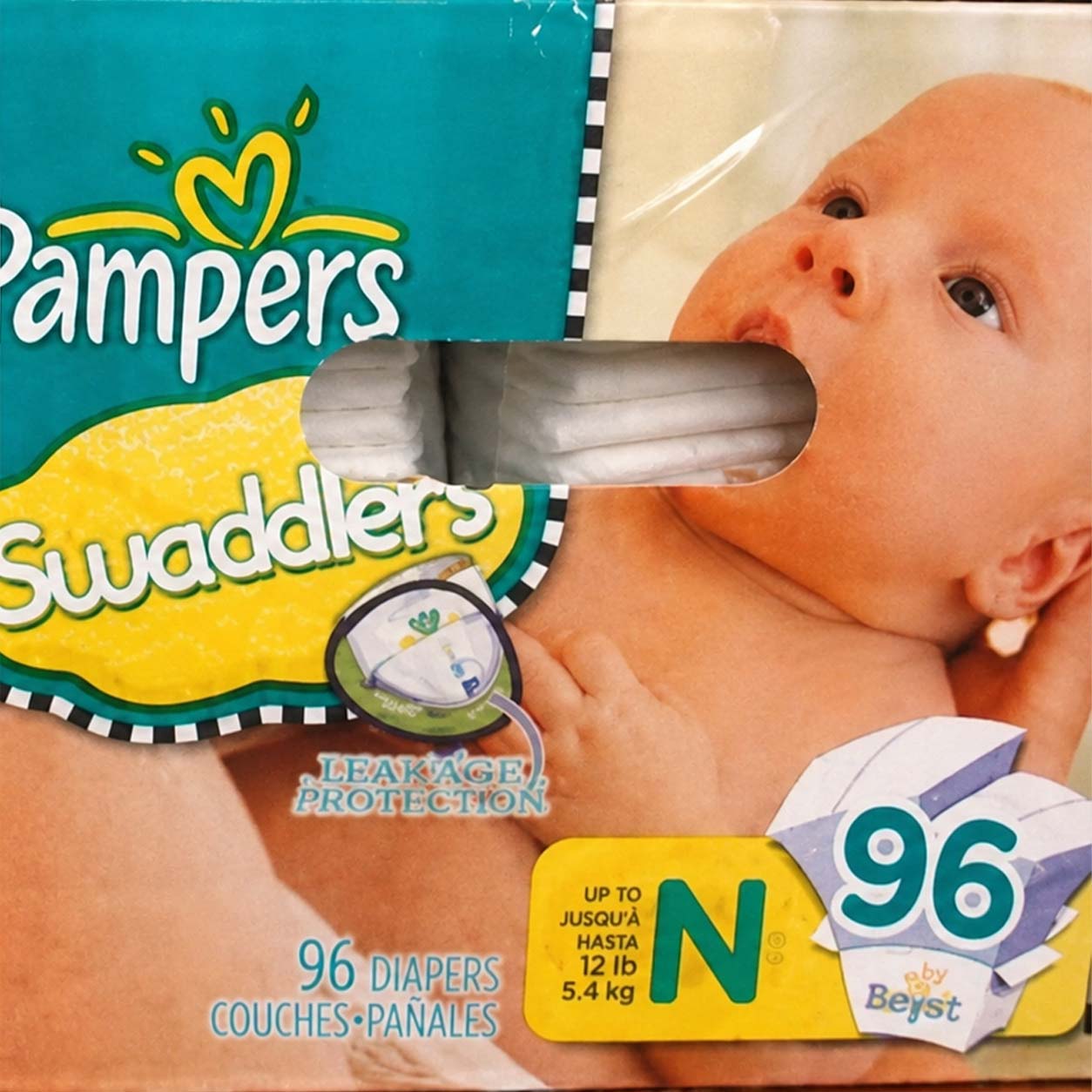
The Intended Use Scenario Should Also Be Considered in the Design.
How the packaging will be opened, how the product will be taken out, and which sections will be covered or visible during use should be considered alongside the design decisions.
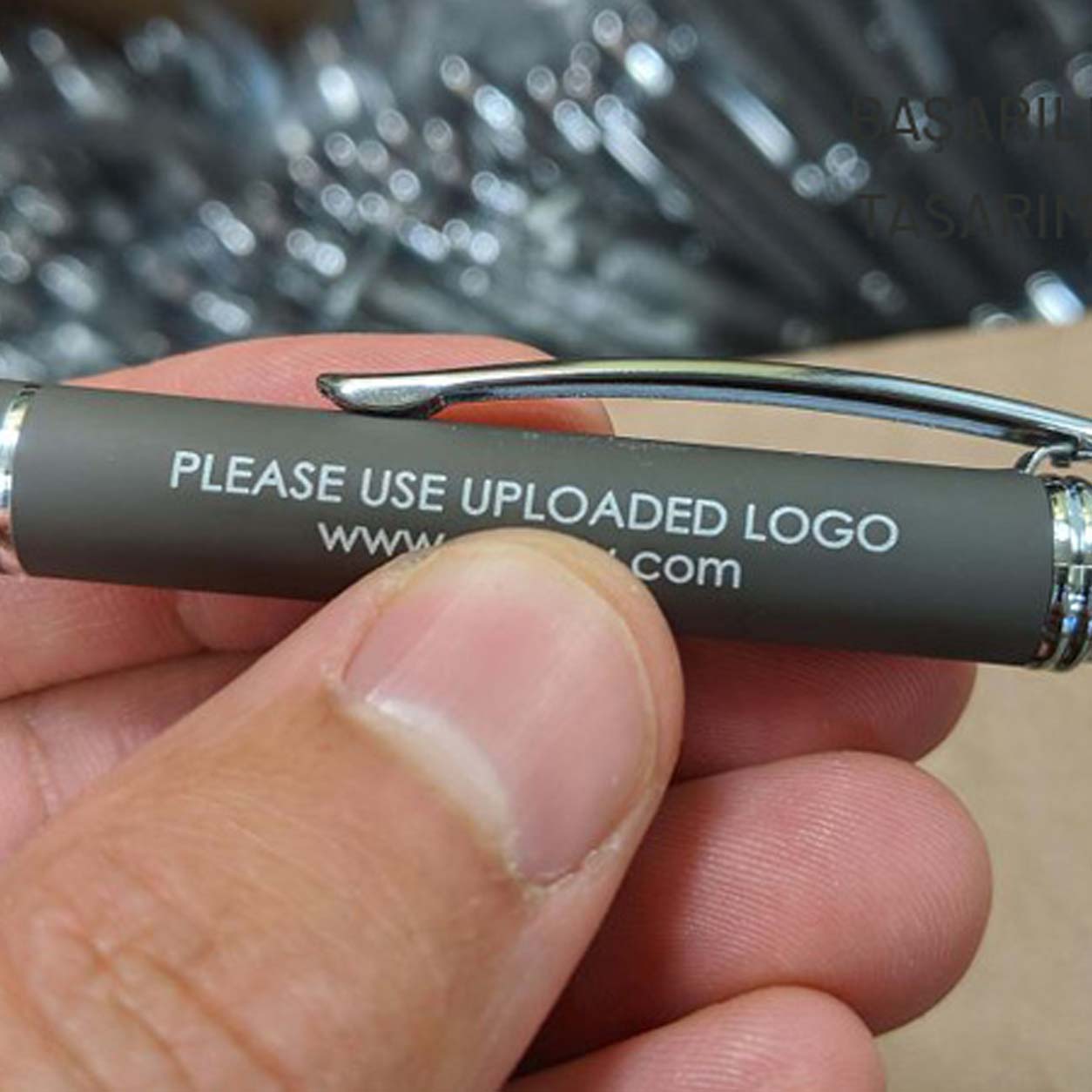
So Who Is Responsible?
Don’t blame the pad printing operator or the graphic designer who prepares your artwork for print.In the field of printed products, you may be experiencing one of the possible consequences of choosing low-cost printed products while avoiding the cost of working with a solution partner who knows your business and understands your specific requirements — leaving you to explain yourself over and over again with every order.